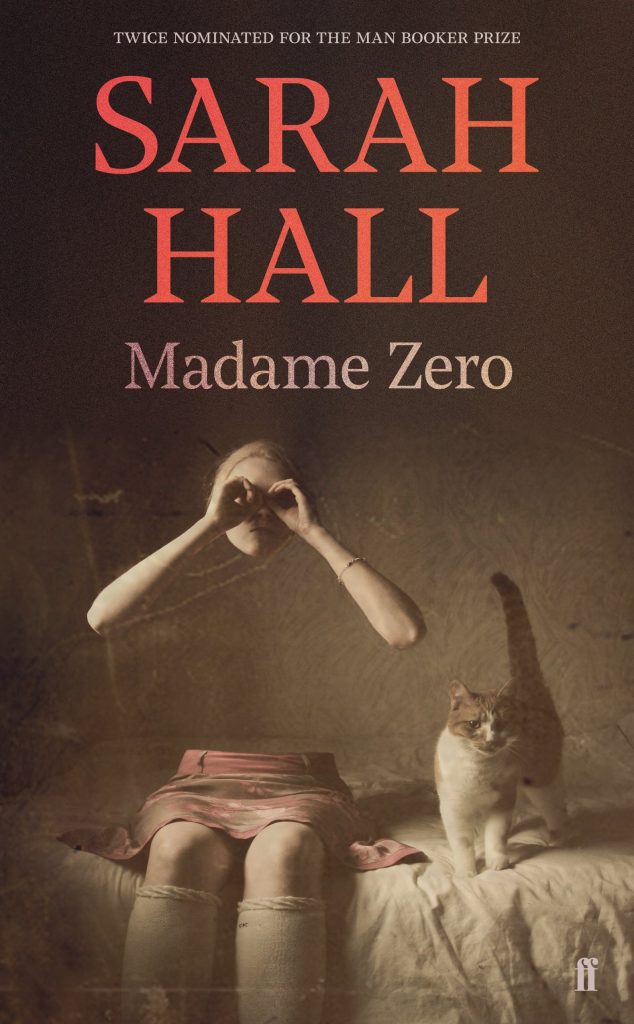
This is a fabulous book. I really enjoyed it. Enjoyment is an odd feeling for a novel that deals so interestingly with illness, remission and loss, but it is a thoroughly engaging read. I didn’t expect to enjoy reading about a pandemic—different to Covid but nevertheless it feels like a response to it—because it still feels too soon somehow to get a grasp on how such a global sickness might ripple on into the everyday, but Sarah Hall handles it cleverly. The pandemic of Burntcoat is part and parcel of the whole of the novel, all of Edith’s experience of life and her telling of it.
Just to warn you… there a few spoilers in this review. I tried to keep them out, but it’s tricky to write about this book without them. Look away now if that worries you. Short review is it’s a great read with wonderful intertwining and amassing themes.
Edith is a middle-aged successful artist who creates huge sculptures, not unlike the Angel of the North, but made of wood and burned in a Japanese heat treatment that marks and strengthens the wood, adding to its durability and beauty as an organic, but carefully damaged material. There too, you feel the echoes of the themes of damage and illness as things that can create something different but also stronger and sometimes more beautiful.
She is the daughter of a writer, Naomi, who suffered a brain hemorrhage and was saved by radical surgery that meant she had to relearn everything from walking to talking and writing. Her damaged self was too much for Edith’s father who left them both when Edith refused to leave with him. Edith chose to stay with the woman who needed so much of her help to cope.
Naomi is one of the yous to which the narrative is written. This second person is deliberately slippery. Edith is dying. She is tying the pieces of her life up and she is saying goodbye.
One of the other yous—for undoubtedly the reader is implicated too—is the man she fell for right before the pandemic took hold. A restaurant owner and chef, he moved in with her during isolation. I will say no more about him, as he and their relationship comes so wonderfully to life that I don’t want to spoil it by saying more. Let’s just say that again, this novel explores how brevity and fragility are often important parts of a different kind of immortal beauty. Her lover comes from a family of emigrants and he describes himself as a mix, a wonderful whole that has grown with and from division and loss.
It is this richness of themes and ideas, this thematic coherence, that makes Burntcoat such a pleasure to read. The story is a fascinating one but how all of these concepts, of what it means to be human and to live with mutability, damage, loss and regeneration, work together across the whole is a delight. It’s a brilliant novel. I finished reading it and turned back to the beginning right away. I’ll be disappointed if it doesn’t make the prize lists. Oh, and it is published tomorrow so get your mitts on it now!
My next review will be of Seesaw by Timothy Ogene.