Second Place by Rachel Cusk

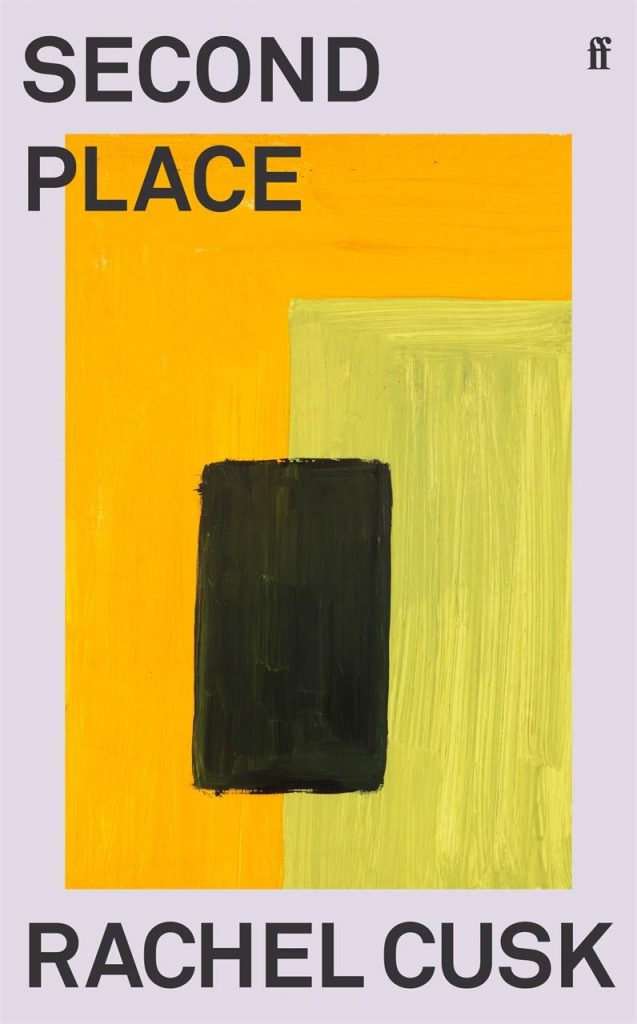
Cover of Second Place by Rachel Cusk
Short review: excellent exploration of middle-class woman seeking meaning in, and questioning the morality of, her life.

I loved this book. It’s so considered, so carefully wrought, like something distilled and matured in a cellar whose journey to the light feels exciting, a little taboo.

It’s the kind of book that a creative writing tutor would tell you to avoid writing because it is exceedingly expositional – the whole thing written as if spoken to a person called Jeffers who we never meet and know very little about other than that he is a moralist. The fact this exposition works just makes it more appealing to read.

The book opens with a description of running from the devil on a train, a devil who is fiddling with a little girl. Everyone is ignoring him and what he’s doing. The protagonist tries to ignore him too, but everywhere she runs she finds him sat opposite her again. This beginning, which comes after the triggering moment of discovering L’s paintings when staying in Paris, is never fully explained but seems to express something of what it means to see and not act, to be aware of something bad taking place but to seek to avoid looking at and to avoid doing anything about it. There is a comment on our society here.

Continue reading Second Place by Rachel Cusk
Coventry by Rachel Cusk

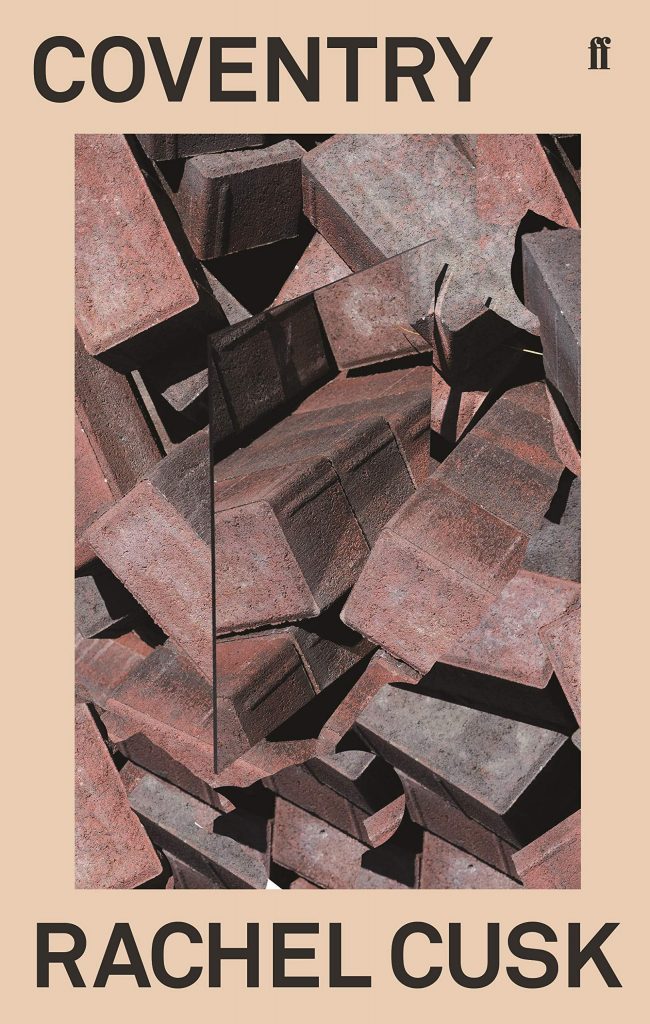
Cover of Coventry by Rachel Cusk

I really enjoyed this collection of essays. As it says on the back of the book, the essays are a mixture of memoir and cultural and literary criticism. 

What I love most about the collection is probably what makes it most problematic: her very specific viewpoint. 

Words like ‘fierce’, ‘original’ and ‘formidable’ get used to describe Rachel Cusk and her writing and I think these words are code for our confused feelings about her viewpoint and the precision with which she expresses it. We remain uncomfortable about a woman able to reflect upon her experiences in a dispassionate manner. We might not always like what she has to say – this is where Cusk is interesting and possibly pushing against our gender stereotypes – but she does say it well and she does offer intriguing ways of looking at the world and our relationship with story.

Continue reading Coventry by Rachel Cusk

Kudos by Rachel Cusk

Cover of Kudos by Rachel CuskI’d been looking forward to reading this novel for such a number of weeks that perhaps my longing to read led to an unnecessary level of anticipation which was undoubtedly going to cause disappointment. It isn’t that I didn’t like this novel, or enjoy the writing in the same way that I enjoyed the writing of the other two novels in the trilogy, I think it’s that I expected more, I wanted it to go further than it did. Continue reading Kudos by Rachel Cusk

Transit by Rachel Cusk

Cover of Transit by Rachel CuskI found Transit, the second in Rachel Cusk’s trilogy,  just as compelling as Outline (which I review here).

The ostensible plot – action, as in Outline, not being the driving force of the novel – is about the narrator moving to London and having her house renovated. Her children are forced to move out for two weeks. Her neighbours, who live below, are aggressive in the extreme – something she was warned about by the previous occupier. She teaches, goes on a date, and visits her cousin who bullies his new wife. This doesn’t tell you what’s actually happening in the novel, however, which expresses a significant shift in the outlook of the narrator.

The distinction between the two novels can, for me, be summed up by the narrator herself who says the following in conversation on a dinner date: Continue reading Transit by Rachel Cusk

Outline by Rachel Cusk

Cover of Outline by Rachel CuskI’ve come to Rachel Cusk late. Having heard so much about her and her work before even turning the first page, I wasn’t sure what to expect. What I found was a very compelling novel almost of absence. It was as if the main character existed only to hear and record what others said to her, as if she herself were only an excuse for others to express themselves and show their best theories and thoughts. Of course, what I read was actually what the narrator chose to tell me. The self-effacement was a choice which I couldn’t be certain existed for the other characters. Perhaps this character was as verbally present as they were, but that part of the story was elided for the purposes of retelling.

It’s delightful to read a novel that has a sense of movement but no discernible plot as such. The narrator goes to Athens to teach creative writing. She teaches, meets some friends and acquaintances, then prepares to travel back. There is no great moment of epiphany (apart perhaps from the moment at the end with the other woman coming to teach screenwriting and live in the apartment that the narrator has been renting), and the dramatic moments fall quietly into the fabric of her days, so that a verbal attack by a student and an attempted kiss from her neighbour on the airplane she flew in on, aren’t the central moments, as they might be, but are instead part of the stories of these other people’s lives who seem to have taken all the drama, all the comedy and tragedy for themselves. Continue reading Outline by Rachel Cusk